

Understanding How Children Grieve at Every Stage of Growth
Children and teens experience grief differently depending on their age and developmental stage. Knowing what’s typical—and what helps—can guide parents, caregivers, and educators in offering the right support at the right time.
Infants & Toddlers
(Ages 0–3)
What to Know
- Infants and toddlers grieve through behavior, not words.
- They notice the absence of familiar voices, faces, smells, and routines.
- The death of a primary caregiver may cause distress, changes in eating or sleep, or increased clinginess.
How to Support
- Maintain comforting routines.
- Offer extra physical closeness and reassurance.
- Use consistent caregivers when possible.

Young Children
(Ages 3–6)
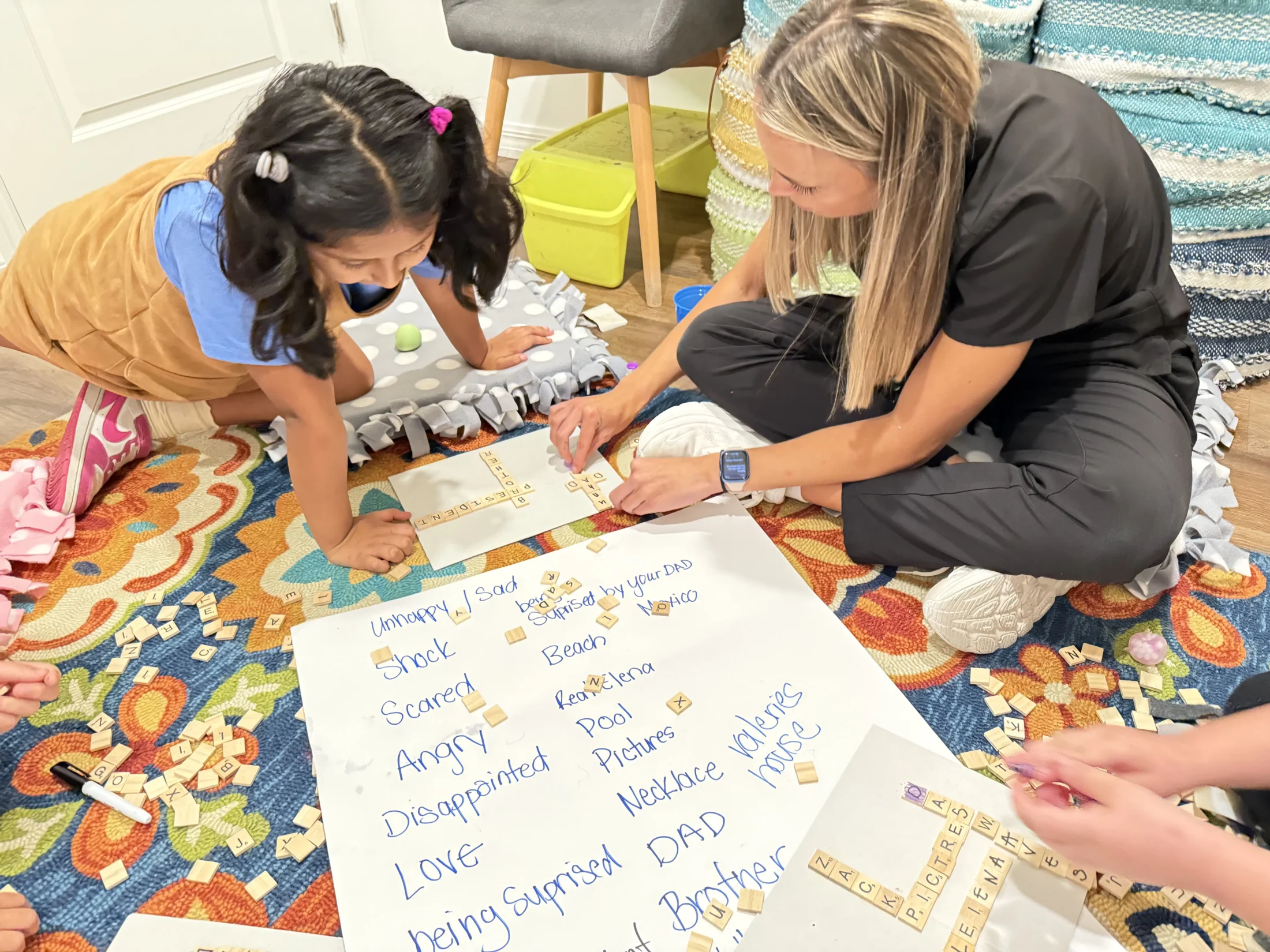
At this age, children need to understand that death is irreversible.
What to Know
- They may not react immediately or may seem unbothered at first.
- Media often portrays death as reversible, which reinforces confusion.
- They might expect their loved one to return and feel hurt when that doesn’t happen.
How to Support
- Use clear, honest language—avoid euphemisms like “gone to sleep” or “lost.”
- Gently explain that death means the person won’t come back.
- Be patient with repeated questions and provide consistent reassurance.


School-Aged Children
(Ages 6–9)
Children begin to grasp the finality of death and may show curiosity or fear.
What to Know
- They understand death is permanent but may not fully grasp how it applies to them.
- Fear and anxiety are common as they try to make sense of what happened.
- They may have many questions, but won’t always ask directly.
How to Support
- Answer questions simply and honestly—don’t overload with details.
- Offer reassurance about safety and routine.
- Allow them to express feelings through play, drawing, or storytelling.
Tweens
(Ages 9–12)
Children at this age begin to internalize the meaning of death and process it more cognitively.
What to Know
- They understand that the person who died is not coming back.
- They may become focused on how the death affects their daily life (e.g., “Who will take me to practice now?”).
- Interest in details of the death may increase—this is normal, not morbid.
How to Support
- Let them express emotions and ask practical questions.
- Offer photos or keepsakes of the person who died to help them feel connected.
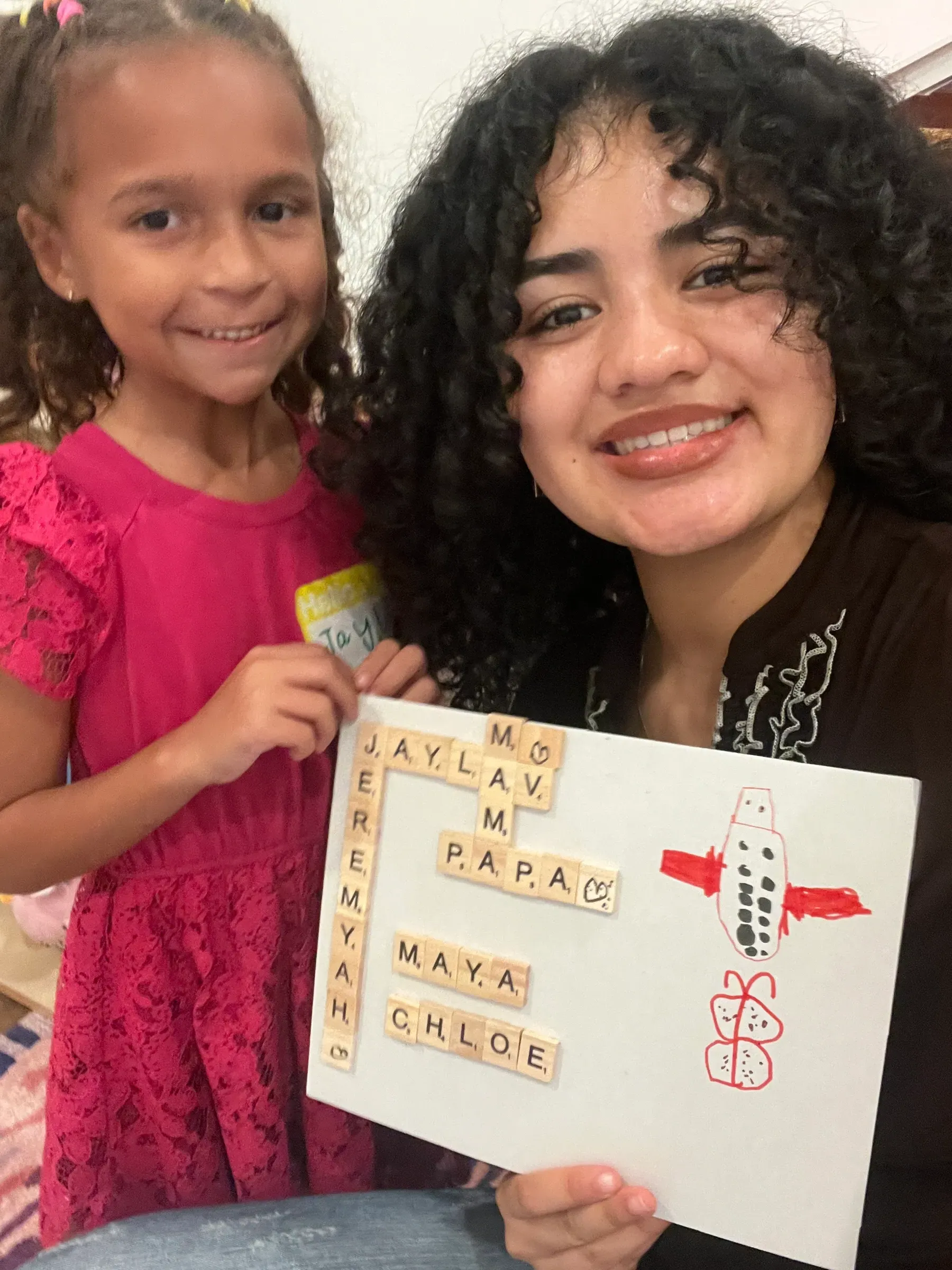
- Encourage expression through writing, art, or creating a small memorial.

Teenagers
(Ages 13+)
Teens understand death like adults but may experience and express grief very differently.
What to Know
- Teens often turn to friends for support instead of family—this is developmentally appropriate.
- Hormonal changes may amplify emotions and mood swings.
- They may feel isolated, out of control, or worry that their grief isn’t “normal.”
How to Support
- Give them space and autonomy to grieve in their own way.
- Suggest creative outlets (music, sports, writing, art, photography).
- Encourage—but don’t force—memorial activities.
- Validate their feelings and reassure them that grief is a normal, healthy process.
- Let them know you’re always there to talk, now or in the future.


General Tips Across All Ages
- Be honest and age-appropriate when talking about death.
- Don’t rush them through grief—each child moves at their own pace.
- Keep routines where possible to create stability.
- Listen without judgment and let them know their feelings are valid.
Join Our Family
If your family has experienced a death, we are here to walk with you. Valerie’s House is a place of hope, healing, and community, and we welcome you with open arms.
Join Our Family Today
How You Can Get Involved
Contribute
Your financial gift will help Valerie’s House serve children and families. Donate and support our mission. Thank you.
Care
Join us. Volunteer your time and talents to Valerie’s House. Fill out the contact form today.
Connect
Like and follow us on Facebook, Instagram, X, YouTube, TikTok, and LinkedIn. Help spread the word, follow our progress, and share with family and friends. We also produce a podcast called Grieve Love Heal, which you can follow and subscribe to on your favorite podcast apps.